





02 / 04
Media Strategy
Coverage is easy to buy. Credibility is placed — one trusted voice at a time.
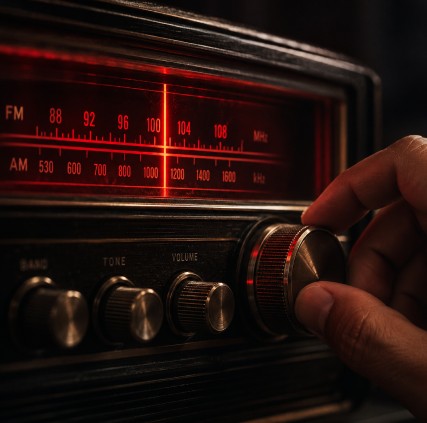
The room
Volume is not influence.
A hundred mentions in the wrong places can do less than one considered piece in the publication your audience actually reads. And some stories should never be pitched at all.
We plan media the way a strategist plans a campaign: sequence, terrain and timing. Who hears it first. Who repeats it. Which channel gives the story weight — and which would quietly cheapen it.
What we build
- 01
A media map
The outlets, reporters, analysts and voices that shape opinion in your category — and how each prefers to work.
- 02
A sequencing plan
The order a story should surface in, so every placement makes the next one easier.
- 03
Relationships
Long-term access built on being useful to journalists, not on volume pitching.
- 04
Spokesperson preparation
Briefings, rehearsal and interview counsel so your people are quotable and careful in the same breath.
- 05
Quiet monitoring
Watching how the story travels and adjusting before drift becomes a narrative of its own.
How it unfolds
Map
Media mapping and a reading of the current conversation in your category.
Sequence
A plan for what surfaces first, where and through whom — agreed with you before anyone is contacted.
Place
First briefings and placements, reviewed together at a steady rhythm.
Sustain
Considered moments rather than a stream of announcements.
You’ll know it’s working when
- The right reporters call you before they write.
- Your news is covered on your timeline, not someone else’s.
- Coverage quotes your thinking, not your press release.
- You turn down more opportunities than you chase.
Questions
Do you send press releases?
When a release is the right tool, yes. Most of the time it isn’t — a well-prepared briefing with the right person does more.
Do you report on results?
Yes, honestly. We report what landed, what it changed and what didn’t work, rather than a page of impressions.
Often paired with